

Health Systems Innovation Scholar | Entrepreneur | Speaker
A Systems Lens
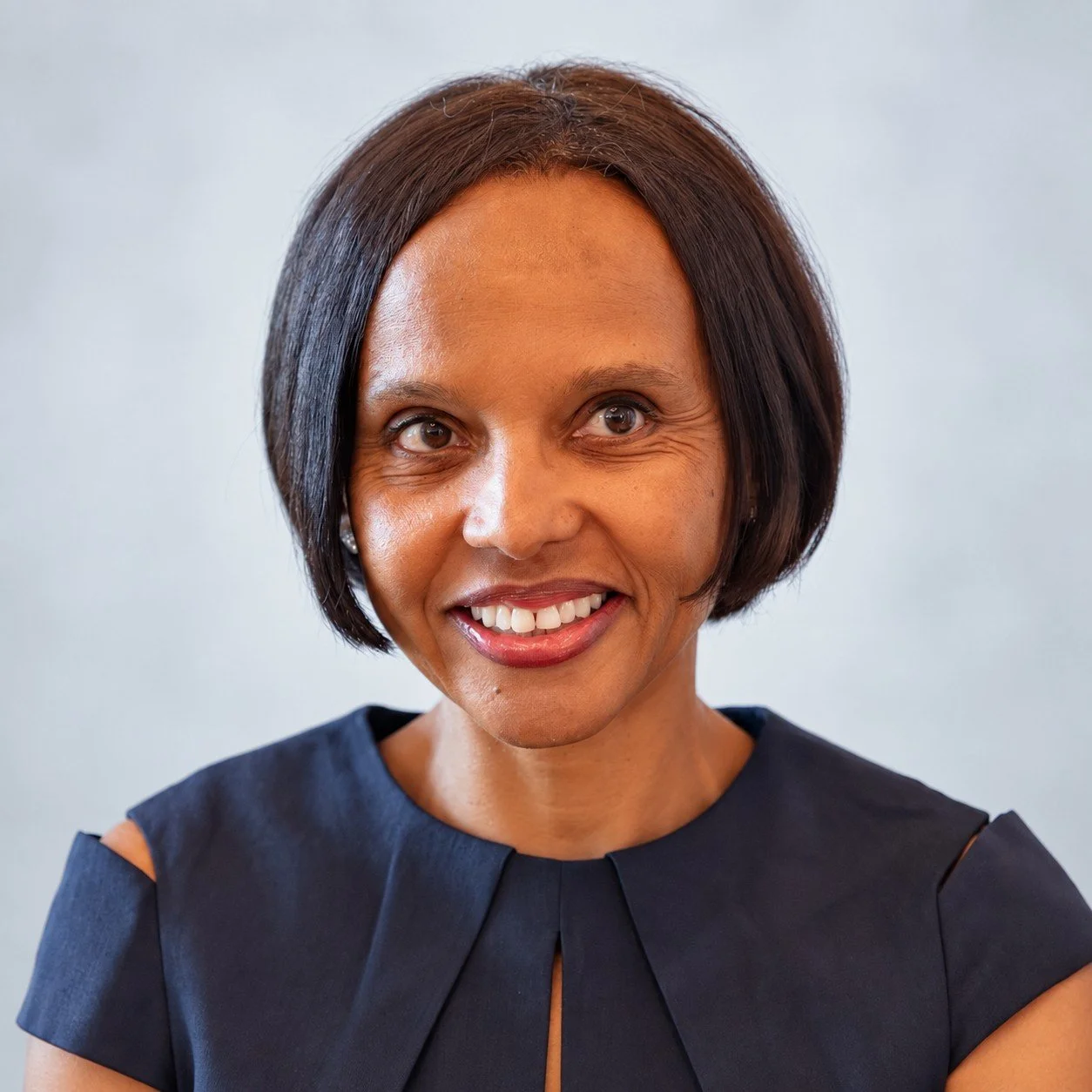
Sylvie Leotin studies what health systems fail to see—and what those blind spots mean for outcomes, equity, and the future of care. Her work brings together systems thinking, human-centered innovation, and human experience to reveal risks that remain outside the institutional view and translate them into new approaches to health systems design, medical education, and AI.
Her perspective was shaped by an unusual path: professional ballet in France, robotics and systems engineering at Stanford, decades of technology and innovation in Silicon Valley, and, later, her own experience as a cancer patient. Those ways of seeing ultimately converged in a five-year program of Genentech-funded research.
Experience To Evidence
Over five years, two Genentech grants totaling $1.75 million enabled Leotin to turn that lens into a body of research. At Emory University School of Medicine, she investigated gaps between lived experience and the institutional account of care, translating those findings into an immersive medical education intervention. She later brought the work to invited lectures and workshops at Stanford Medicine, Yale School of Medicine, and Henry Ford Health. As the research evolved, her focus widened from what happens to individual patients to the structures that determine what healthcare can and cannot recognize. This led to a broader systems framework for revealing risks that health systems are structurally unable to see.

HEALTH systems innovation
Sylvie Leotin is Affiliate Faculty at Belmont University's College of Medicine and a Fellow of the Belmont Collaborative for Health Systems Innovation. Her appointment builds on a distinctive career spanning engineering, technology innovation, systems design, and healthcare research. Bridging the analytical rigor of systems engineering with the embodied understanding of human experience, she brings an interdisciplinary perspective to the future of healthcare. The Belmont affiliation connects her scholarship with a community of healthcare leaders advancing health systems innovation and medical education.

Speaking & Teaching



Invite Sylvie
Sylvie Leotin welcomes invitations to speak, teach, advise, and collaborate across medicine, health systems, technology, and design. She brings a distinctive systems perspective shaped by decades in technology and human-centered innovation and five years of Genentech-funded healthcare research. If that perspective would be useful to your organization or audience, please get in touch.